
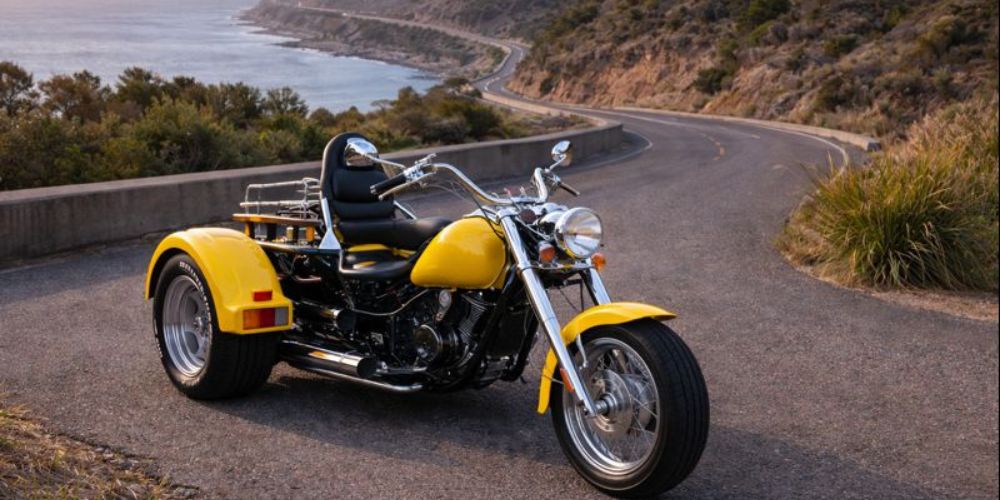
Build Your Dream VW Trike: Complete Plans, Parts, and Pro Tips
Ever dreamed of cruising on a custom three-wheeler but worried about rookie mistakes derailing your project? Get essential pro tips to sidestep the top pitfalls and build safely from day one.
Building a VW trike is one of those projects that pulls fast. The idea sounds simple enough. Find an old Beetle, strip it down, add a front end, and suddenly you’ve got a custom ride that turns heads everywhere it goes.
What catches most first-time builders off guard is how many small decisions add up during the build. Miss a few details early, and you’ll spend more time fixing problems than enjoying the finished trike.This guide focuses on the common mistakes that slow builders down or create safety issues later. Knowing them upfront gives you a much better shot at finishing the build the right way.
What Most First-Time VW Trike Builders Underestimate
The biggest mistake beginners make is assuming experience with cars or motorcycles automatically transfers to trike builds. A three-wheeler acts differently. Weight distribution, steering geometry, and braking balance all work together in ways that aren’t obvious at first glance.
Another common issue is rushing the early stages. Once metal is cut or welded, changes get expensive and frustrating. Slowing down at the planning stage saves far more time than it costs.
Starting With the Right Beetle Donor
Beetles are not the same when it comes to trike builds. Rust, worn suspension components, and tired engines can quietly turn a good idea into a money pit. Many builders grab the cheapest donor they can find, thinking they’ll replace parts later. In reality, that often means tearing things apart twice.
Before committing, inspect the rear suspension, transaxle, and frame areas carefully. If you’re serious about wanting to Build Your Own VW Trike, starting with solid core components makes everything else easier.
Frame Layout and Weight Balance
Frame layout is where many builds go wrong without the builder realizing it. A trike that looks fine sitting still can feel unstable once it’s moving. Poor weight balance affects steering feel, braking, and even tire wear.
Engine placement, seat position, and front-end length all play a role. Shifting weight too far back can make steering light and unpredictable. Too far forward, and the rear loses traction. Taking time to mock everything up before final welding helps avoid these problems.
Steering Geometry That Makes or Breaks the Ride
Steering geometry isn’t just a technical detail. It’s the difference between a trike that feels planted and one that constantly fights you. Rake and trail numbers matter, especially at highway speeds.
Many builders copy measurements from photos or other builds without understanding why those numbers work. That’s risky. Every setup is slightly different based on tire size, frame length, and rider weight. Test fitting and checking alignment before final assembly prevents handling issues that are difficult to fix later.
Brakes, Controls, and Safety Details
Braking systems are another area where assumptions cause trouble. A trike doesn’t stop like a Beetle or a motorcycle. Weight transfer is different, and brake bias matters more than most beginners expect.
Control placement also affects comfort and safety. Pedals that feel fine in the garage might be awkward on longer rides. Cable routing that looks clean can bind once everything heats up. These details usually show up during the first test rides, but planning for them earlier reduces rework.
Planning the Build Before Parts Pile Up
One of the fastest ways to derail a build is buying parts too early. It’s tempting to grab deals when you see them, but mismatched components often create fitment issues later.
This is where structured guidance helps. Many builders who follow a proven path instead of guessing find the process smoother and more enjoyable. If you’re serious about finishing strong, taking the time to download VW Trike plans before buying major components can prevent costly mistakes.
Using Proven Plans to Stay on Track
Once builders reach this stage, having clear documentation becomes invaluable. Knowing measurements, angles, and sequences ahead of time removes a lot of uncertainty. This is where Big Yella fits naturally into the process.
Big Yella provides detailed DIY trike plans built around real-world builds, not just theory. The guidance helps builders avoid the common pitfalls that stall projects or compromise safety. With proper planning, fewer surprises pop up mid-build, and progress stays steady.
Building With Confidence From Day One
A VW trike build doesn’t have to be overwhelming. Most problems come from skipping steps or underestimating how important early decisions really are. Taking time to plan, choosing the right donor, and following proven guidance make the entire process more rewarding.
When the build is done right from the start, the finished trike isn’t just something to look at. It’s something you can ride with confidence, knowing every part works the way it should.