
How to Build a Volkswagen Trike: Beginner to Expert Guide
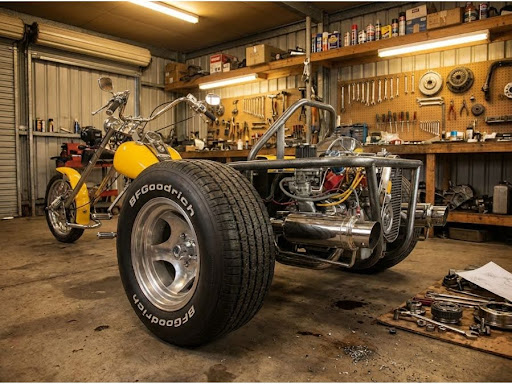
Building a Volkswagen trike isn’t something you rush. It’s a hands-on journey, a mix of patience, curiosity, and a bit of grease under your nails. Every builder starts somewhere — maybe after spotting one on the road or seeing a picture of Big Yella and thinking, “I could build that.” If you’ve ever wondered how to build a Volkswagen trike from the ground up, the process becomes easier once you understand frame setup and engine fitting.
This guide walks you through the process, from simple frame basics to fine-tuning the engine. It’s written for regular folks — no fancy talk, just straight-up advice that works.
Getting Started the Right Way
Before you touch a single wrench, get your space ready. A flat floor, good lighting, and solid ventilation make all the difference. Gather your tools: a welder, grinder, clamps, sockets, and measuring tape. Keep everything where you can reach it.
Now, look at your VW trike plans. They show every part, frame angles, engine mounts, and brake setups. Read them twice before cutting anything. The biggest mistake beginners make is skipping the planning part. Remember, metal is unforgiving once it’s cut.
| Part | Purpose |
|---|---|
| Frame | Backbone of the trike |
| VW 1600 Engine | Power and personality |
| Front Forks | Steering and handling |
| Brakes | Safety and control |
| Fiberglass Body | Style and finish |
Getting familiar with the setup makes the rest of the job smoother.
Building the Frame
Once you get comfortable with the basics, learning how to build a VW trike becomes more about patience and practice than expensive tools or fancy equipment. Every Volkswagen trike starts with its skeleton, the frame. You can build one using the back half of a VW Beetle as your donor. Cut it carefully and weld in your custom tubing to create the trike’s backbone.
Keep checking your measurements. The frame needs to sit straight and square; even a half-inch off can affect handling. Tack weld first, test fit the engine and rear wheels, and only then make final welds. It’s better to take a day longer than fix it later.
Brakes, Pedals, and Steering
Once the frame stands solid, move to the control side of things. A disc brake conversion is a must if you want smoother, modern braking. Install a hanging pedal system; it feels more natural when riding and gives better control than a floor setup.
Run your brake lines carefully along the frame. Keep them away from hot areas like the exhaust. When you bleed the brakes, use fresh fluid and check for air bubbles. For the steering, keep it simple and sturdy. The front end must align perfectly with the rear wheels. You’ll feel the difference when you take your first test ride.
The Engine Stage
This is where the heart of your trike starts beating. The VW 1600 engine is reliable, easy to rebuild, and great for customizing. Before bolting it on, clean it thoroughly and replace any worn gaskets or seals.
Do a simple check:
- Compression should be even across cylinders.
- Carburetor needs proper tuning.
- Wiring should be clean and labeled.
When you turn that key and the motor fires for the first time, it’s a feeling no words can describe. It’s like hearing your creation breathe for the first time.
Body and Fiberglass Work
Once your trike runs, it’s time to make it look good. Fiberglass fenders and panels give that classic custom finish. Start by making a plug or mold — smooth it with filler, sand it, then apply fiberglass layers evenly.
Don’t rush drying time. It’s tempting to move ahead, but patience here gives you a smooth surface later. Once done, trim the edges, sand everything again, and paint. Bright colors pop best on a trike body.
Electrical and Details
Wiring a VW trike might sound scary, but it’s easier than it looks. Keep it tidy — run wires along the frame with zip ties. Mount your ignition, indicators, and tail lights where they’re easy to reach.
When you check connections, make sure all grounds are solid. One loose ground can make your lights flicker or kill your spark. After that, fit the seat, footpegs, and mirrors. These finishing touches turn your project into a ride.
Do’s and Don’ts from the Garage
- Keep a notepad of all your steps. It helps later.
- Check alignment after every major weld.
- Use proper jack stands; never crawl under a frame without them.
- Take short breaks — fresh eyes spot mistakes faster.
- Skip measuring twice before cutting.
- Mix brake fluids.
- Paint before testing everything.
- Ignore small oil leaks — they never fix themselves.
These little habits separate a solid trike from a troublesome one.
Learning from Real Builders
Many people who bought the Big Yella guide share their stories. Builders from South Africa, the U.K., and the U.S. talk about how it changed the way they approach projects. One guy from Indiana said, “I looked through it and thought, this is exactly what I needed.” Another builder in Ireland called it “an enormous help.”
That’s what makes building a Volkswagen trike special: it connects people who love machines and the process of creating them. You can also look at this Big Yella guide video to make yourself comfortable with building prices.
Why a Digital Guide Helps
Workshop manuals get dirty fast. Pages tear, corners curl, and sometimes you lose the ones you need most. A digital guide can be printed again, zoomed in, or kept on a tablet right next to your tools. You can even reprint specific pages if they get damaged. It’s the small conveniences that make long builds easier.
Final Thoughts
When you finish your trike, take a moment to step back and look at it. Every weld, every bolt, every drop of effort it's all yours. Building a Volkswagen trike isn’t about perfection. It’s about learning, trying, and finishing something most people only dream about. No two trikes are ever the same, and that’s the beauty of it. Whether you’re a weekend tinkerer or a full-time gearhead, each build tells a story. So, grab your plans, roll up your sleeves, and start building. The open road is waiting.
|